
India study shows half fine with surveillance, one-fifth unaware
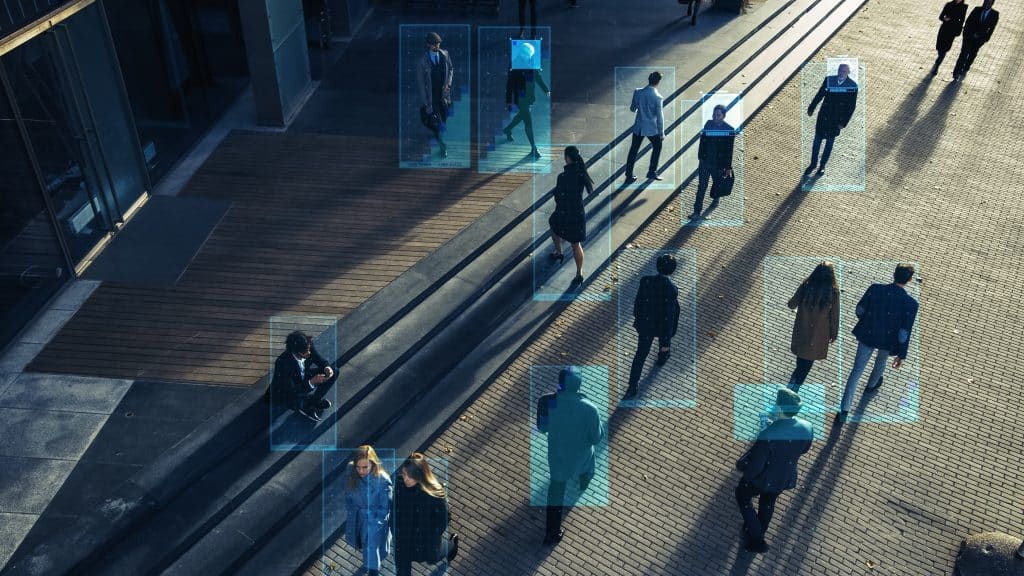
A new report on surveillance technology in India has uncovered a high level of public support for certain forms of government surveillance, including facial recognition, but also a lack of awareness of digital privacy issues.
The report, titled Status of Policing in India Report (SPIR) 2023 — Surveillance and the Question of Privacy, is claimed to be the first study in India that explores public opinions on digital surveillance based on a survey of almost 10,000 people and interviews with experts. Aside from facial recognition, the study analyzes other technologies used in policing such as biometric identification systems, CCTV cameras, and drones alongside predictive policing tools and spyware such as Pegasus.
The study found that half of the survey respondents supported the use of facial recognition technology by the government (50 percent) and the police (46 percent). People were also four times more likely to support the use of this technology by government agencies compared to private entities. However, one in five respondents said that they were not aware of the technology.
Close to half (48 percent) of respondents also agree that police should be allowed to collect biometric details such as fingerprints, retina scans, and facial recognition data while a large segment of the population (55 percent) also supports the use of drones by state agencies.
When it comes to CCTV cameras, the majority (52 percent) believe it is justified for the government to use them to curb political movements and protests. However, the same number of respondents say they fear mass surveillance.
Several Indian states and agencies have been using facial recognition since 2019, including during the COVID-19 lockdown and anti-government protests such as the 2021 farmer movement. Facial recognition systems have also been hooked up to India’s rising number of CCTV cameras and used to stop and screen people on suspicion.
Facial recognition has also been controversially deployed in an operator-initiated application used by police in Chennai for random checks.
At the same time, India has been introducing new projects collecting biometrics including the controversial Criminal Procedure (Identification) Act introduced in 2022 which allows authorities to collect, analyze and store biometric and personal data on any person who has been arrested. The country’s flagship identification project known as Aadhaar, which collects biometric and other personal details, has also raised concerns over misuse of data and private information leaks.
CCTVs are the most commonly used surveillance tool by the police in India although the frequency of its usage is unknown due to a lack of data. The report claims that there was no statistically significant relationship between the number of CCTVs operated by the police and crime rates from 2016 to 2020.
The report found that respondents of lower socioeconomic status as well as those who had first-hand experience with surveillance technologies were less likely to support their use.
“Support for any form of surveillance decreases with a decline in the respondent’s socioeconomic status, consistent with past findings that the poor, Adivasis, Dalits, and Muslims are least trustful of the police,” the report says.
Experts cited in the report have warned that surveillance technologies reinforce biases towards minorities and members of different castes. Other issues include misuse of power and lacking privacy laws: the country’s proposed Digital Personal Data Protection Bill is yet to be adopted.
Official data on police surveillance in India is limited adding to a lack of transparency and accountability, according to the report. At the same time, interviews with members of the police highlighted the lack of technical knowledge to be able to carry out digital surveillance.
“Biometric surveillance technologies are often deployed with a questionable legal basis and breach data protection laws or infringe upon fundamental human rights such as privacy,” states the report.
Article Topics
biometrics | cctv | data privacy | facial recognition | India | police | video surveillance

Comments